



The Rundown: Podcast 11 finds Jake, Matt, Evan and Lance settling in with an IPA (and one glass of water) for a wide-ranging conversation. They start with the Icarus doping documentary and wonder how much doping really happens in amateur racing, then trade notes on their favorite training tech: a rear radar, a saddle built around the sit bones, a new Garmin computer with course suggestions, and dual-sided power pedals. They finish with bad weather racing stories, from marathon conditions to hail at a road race. Read on for the highlights, then hit play above for the full conversation.
Dialed Podcast 11 recap
Beer, workouts and Icarus
The guys open with a Seattle IPA (Matt sticks to water and says he has never tasted beer) and a quick check-in on training. One of them was up before dawn for a two and a half hour ride with two 20-minute efforts and a run straight after, at the tail end of a big training block and a recent bout of the flu. That sparks a short aside about when training through sickness is smart and when it is not.
They also talk about what they have been watching. Icarus, the Netflix documentary about a man who sets out to dope for a full year, comes up as a must-watch, and the guys say it takes a turn you do not see coming.
Doping in amateur racing
The documentary leads into a real question: what would stop a race director from threatening to drug test, or from actually doing it? The answer the guys land on is mostly money. Testing costs something, race directors want numbers, and a hard line on testing could scare off riders at a time when participation is already shrinking.
They also wonder how many local amateurs are actually using something. The guys suspect it is on the rise, point to over-the-counter supplements that blur the line, and note that racing in the Northwest runs largely on the honor system. They float the idea of riders paying a few dollars to cover their own testing, and agree this is a deep hole they will come back to.
Training tech: radar, saddle and Garmin tricks
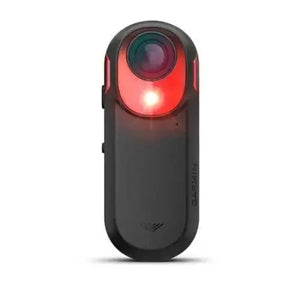
Matt starts the training tech round with the Garmin Varia rear radar. It tells you how many cars are coming up behind you, so you do not slide back into the road after the first one passes. The updated version uses a vertical light that shows riders behind you what is going on, and the group says it works well alongside a mirror rather than in place of one. That leads to a conversation about giving drivers room, riding the fog line on country roads, and the fact that most people who ride bikes also drive cars.
Evan shares a project he has been working on for over a year: a saddle called the Physio Saddle, designed with a physical therapist friend. Instead of a convex shape, it uses a concave surface that mirrors the sit bones, aimed at taking pressure off the nerves that cause numbness.
Lance brings up the Garmin Edge 1030 and its course feature. You tell it how far you want to ride, and in under a minute it offers three loop or out-and-back options with turn-by-turn directions. It is a big help on trips in places you do not know. Jake mentions it also warns you about sharp bends ahead.
Power meters and pedal balance
Jake rounds out the tech talk with Garmin's Vector 3 power pedals. After a broken femur from a mountain bike crash, he uses the left and right power balance to catch tightness before it becomes a problem. If he sees a split like 53 to 47, he knows it is time to put more work into strength, flexibility and single-leg drills.
Matt explains the basics of how power meters work and why they are great for structured intervals, since power stays the same whether you are climbing, descending or riding into the wind. The group also talks about the Vector 3S, which measures one side and doubles it, and can be upgraded later. Jake adds that the pedals can show where on the pedal you are pushing, which helps clean up cleat position and pedal stroke.
Bad weather racing: Boston, a cold 70.3 and hail
The group starts with the rough conditions at that spring's Boston Marathon and what the cold and headwind did to the field, and how athletes who train in hard weather tend to handle it better. That leads Jake to a tangent about his running days and what the doctors told him about his back.
Matt shares a pair of tips from a cold, sleety Canadian triathlon: cut a square out of a trash bag and wear it under your jersey to keep warm without losing aerodynamics, and check the forecast before you pack. Evan describes a downpour at a road race in southern Ohio where nearly everyone dropped out and nobody crashed, plus a snowed-out first race. Lance tells of a cyclocross start through ten inches of standing water that ended with a flat while he was running in third.
Jake closes with a stormy road race that threw wind, rain and hail at the field, and a teammate so cold he could not get his zipper down or his words out.
One Last Thing
Each of the guys wraps up with a thank you to the listeners and to Jake for the editing and planning. They ask for topic suggestions and questions, since they tend to gloss over terms like FTP, and for ratings and subscriptions to help the show grow.
Evan offers to be the community's physical therapist and teases the Giro d'Italia. Then comes some good-natured Instagram plugging, with Lance's outdoor photography and ride titles getting the most love. Jake says the whole thing is a blast and he is thankful for good friends, good health and a beautiful place to ride.
Listen to the full podcast
This recap only scratches the surface. Hit play on the player above, or find Dialed Podcast 11 wherever you get your podcasts.
More Gear From This Podcast
Talk to the guys
Got a question or an idea for the show?
Ask us anything about the podcast, pitch a topic for a future episode, send general feedback, or ask about gear. We read every one.