


The Rundown: This week Jake sits across from two triathletes who spend the podcast trying to talk him, and anyone else who rides a bike, into giving a triathlon a shot. Along the way the guys swap drinks and Bengals talk, react to Egan Bernal's serious crash, size up the Jumbo-Visma and Ineos rosters, and weigh in on SRAM buying Hammerhead. The main event covers cross-training, the welcoming vibe of tri, the pull of the Ironman finish line, why running needs patience, and how Jake's old injuries shape what he could take on. Read on for the highlights, then hit play above for the full conversation.
Dialed Podcast 205 recap
The Backpedal: Achilles, Bengals and the rowing machine
Evan opens with his drink of choice, an orange cream energy drink, while Jake sips a rosemary mint sage kombucha. The backpedals are a mix of the mundane and the proud. One of the guys banged his Achilles in his son's room and has struggled to walk all week, though the Tuesday team ride still happened. Evan skips ahead to the real news, which is the Bengals heading to the AFC championship game for the first time since 1989, a result that could make his household a divided one if the 49ers get there too.
Evan also talks about his long Saturday run around the lake, a tempo-style long run he likes better than plain slow miles, and the half marathon coming up in about six weeks. Jake spent most of the week on Zwift plus one day on the rowing machine, and Evan gives him a friendly warning about how cyclists tend to underestimate the whole-body demands of rowing.
Leadout News: Egan Bernal's crash and the Jumbo-Visma and Ineos picture
The guys talk about Egan Bernal running into the back of a bus on a training ride, with Jake relaying the reports of a long list of serious injuries and surgery. They treat it with care and hope for the best. They are realistic that a return for the 2022 season looks like a long shot, and they point out how good his form had looked heading into the year.
From there the conversation widens to the teams. They talk about why a team that wins all the time is hard to love, how Jumbo-Visma has become the fan-favorite squad, and the story of Rohan Dennis moving over from Ineos. They also touch on Mathieu van der Poel's back trouble ahead of the classics, Pidcock's packed racing schedule, and the Cyclocross World Championships coming up that weekend.
Why mix it up: cross-training and time on the bike
Jake gets the first pitch, and it is about variety. Switching between swimming, biking and running gives different parts of your body a break, and if something like an Achilles or a shoulder acts up, there is usually another sport you can lean on while still working toward the goal. Jake agrees it is good for the body but worries about the time it takes to be competitive in three sports.
The guys push back that running is the most time-efficient of the three and that triathletes do not necessarily train more than serious cyclists. Evan describes how a cyclist with a big aerobic base can carry it into tri on a similar weekly volume, just split across disciplines, and that this can be a nice way out for burned-out road racers. They also agree that more volume tends to work, even if nobody wants to hear it.
The community: welcoming tri versus gritty road racing
Evan's second pitch is the community. The guys describe triathlon as a friendly place where people will help you set up your bike, nobody cares if you show up a bit dorky, and everyone heads for burgers and beers after. Road racing, they say, is wonderful in its own way, but a first pack ride can be tough on a true beginner, since if you cannot hang on, you are on your own.
They also compare how the sports handle categories, with triathlon splitting into a long list of age groups and road racing using just a few. Jake brings up events like STP and gravel fondos as the cycling versions of that welcoming mood, where most people are there to finish and a small group is racing the clock. The guys agree that cyclocross and gravel have a vibe closer to tri than the pointy end of the road scene.
One Last Thing: SRAM, Hammerhead and a video update
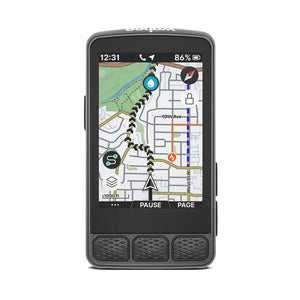
Before Matt heads out to swim, he mentions his new YouTube video comparing two Garmin watches. A new bike computer video is on hold because the company never released the product it was supposed to announce. Jake then asks about SRAM buying Hammerhead.
Matt thinks it is a good move. He expects SRAM to prioritize shifting integration and perhaps tie more of its wireless components together, and he hopes things stay on open standards. The two agree SRAM tends to push innovation harder, while Shimano usually waits until something is more polished.
Race distances, burnout and why running needs patience
Jake asks whether staying in triathlon long term is sustainable, since so many people chase an Ironman and then walk away. Evan thinks the problem is that tri is marketed around the finish-line moment, so many people sign up for the full distance without enough build-up, then wonder what is next. He would rather see more people commit to getting better at one distance, like the Olympic distance or even a mile swim or run, over a long stretch of years.
They then turn to running, which Evan says is the tougher sport on the body because you walk a finer line. His view is that the problem is usually the training plan and the lack of patience, not running itself. For someone new to running, he talks about timelines of years, not the twelve weeks a quick online plan promises, and he says the 10K and half marathon are better places to build first.
Jake's injuries and the one last thing for the team
Jake shares that after being hit by a car about three and a half years ago, his ankle still gives him trouble, and his shoulder has nerve damage that limits how high he can lift his arm. Evan walks through what a careful path to a sprint triathlon could look like, with lots of balance work and very short, symptom-led runs, and notes that an Olympic distance would take a year or two of slow progress. They keep it light, with a joke about Jake's single-arm swim.
In the wrap-up, Evan mentions the weekly group runs and swims, and Jake gives a big thank-you on behalf of the team for the support of the juniors program. People donated gear in bins, from wetsuits and hand paddles to shoes, kit and trainers, and the guys hope it helps bring even more kids into the sport.
Listen to the full podcast
This recap only scratches the surface. Hit play on the player above, or find Dialed Podcast 205 wherever you get your podcasts.
More Gear From This Podcast
Talk to the guys
Got a question or an idea for the show?
Ask us anything about the podcast, pitch a topic for a future episode, send general feedback, or ask about gear. We read every one.