


The Rundown: This week the guys sat down with Justin Wagner of Team ODZ, who walked through how a club born on Zwift grew into a few hundred active riders, what a training week looks like with a full-time job and a growing family, and how his team is putting on the Liberty Road Race. The guys also compared notes on recovery, from sleep and protein to periodization and active recovery rides, and then worked through their favorite and least favorite Velominati rules. Along the way there were crash stories, a speed suit test, and a classic Seattle to Portland tale. Read on for the highlights, then hit play above for the full conversation.
Dialed Podcast 9 recap
The Backpedal: Moab, crashes and a half marathon
Lance called in from Moab, Utah, where he had pointed his truck, three bikes and his dog after seeing open days on his schedule. His daughter is working there, so he made it a visit. He also shared that he had taken a surprise podium finish in the 4/5 race at a Monday night race at Portland International Raceway, then promptly tipped over in front of the whole team because he was still clipped in. Matt raced a half marathon the day before and admitted he was feeling every step of it, and a bet lost at work left him wearing a mustache he did not choose.
Jake and Justin compared injuries. Jake is recovering from his crash and rebuilding his plan around the state championship road race in June. Justin told the story of his crash in the Tour de Bloom criterium, where he was sitting ninth overall before hitting a rider on the ground in the first corner. He is facing shoulder surgery once his elbow heals, but he still managed to win a Zwift race with a broken arm.
Justin's training week and what ODZ is all about
Justin described how he fits training around four kids, a fifth on the way, and a full-time job. Most of his riding happens on the trainer early in the morning, including a standing Thursday ride that starts around four in the morning. He was upfront that the thing he gives up is sleep, and the guys had a good laugh about how much that is going to catch up with him. He also shared his background in high school distance running and how a bike helped him go from a heavier version of himself to a lean racer in just a few years.
He then explained Team ODZ, which started on Zwift. The name began as Optometrists on Zwift, since the founders were two optometrists, and has since come to mean Dominating Zwift as far as he is concerned. The club organizes group rides with rules and formats you could never pull off in the real world, and riders earn their virtual kit through a kit challenge on teamodz.com.
Zwift group rides, weight settings and keeping racing honest
The conversation turned to how Zwift group rides actually work. Justin explained that on his endurance ride, riders who cannot hold the pace can adjust their avatar weight to stay in the draft, which keeps a mixed group together. He also described why the team runs the ride outside the official event list, since Zwift limits how late someone can join a scheduled workout.
The guys then asked how racing stays honest. Justin explained that Zwift Power flags performances above certain thresholds and logs the weight a rider uses each time they join an event. A flagged rider can prove their numbers with real-world efforts and earn a badge from the volunteer-run Zwift Anti-Doping Authority. Nobody claimed the system is perfect, but the guys agreed that data can be fudged anywhere, from Zwift to Strava.
The Liberty Road Race and the Washington State championships
Justin gave the lowdown on the Liberty Road Race, which his team is promoting as the Washington State road race championships for both masters and senior categories. The course sits south of Spokane, staging at Liberty High School between Spangle and Waverly, and has been used for racing before. It is fairly flat with some rollers and not much tree cover, so a windy day would make for classic crosswind racing. Most categories ride two laps of about thirty miles, with the upper categories doing three.
He also pointed out that a criterium in Post Falls was scheduled the next day so travelling riders could get a road race and a crit in one weekend. Justin talked through the registration, the one-day license option for riders from out of state, and the sponsors helping the event. The guys talked about the WSBA as the local association of USA Cycling and had fun with the fact that it shares its initials with a lawyers' group.
Recovery: sleep, protein, listening to your body
For the main topic, Lance said he often ignores recovery because he just wants to ride, but he leans on protein right after rides and a solid seven or eight hours of sleep. He watches his resting heart rate in the morning as a sign he is not recovering, and noticed that unexpected cramping tells him he needs more hydration or electrolytes. Matt added that as he has gotten older, taking a few days off does not bother him the way it did when he was younger, and Justin shared how he splits his week into two hard blocks with a recovery day between them.
Evan, speaking as a physical therapist and athlete, explained that he does not like telling people to take completely off, preferring to bring the stimulus way down. He also stressed that intervals are mentally taxing in every sport, and that you only have one cup of stress to spread across training, work and family. Jake read out a list of overtraining signs and encouraged building in recovery rides, cross-training and periodization. The guys also traded ideas for forcing yourself to go easy, from a low-wattage teaching ride on Zwift to the social Ice Cream Ride, and Evan noted that research points to neuromuscular fatigue as a bigger factor in cramping than hydration alone.
Velominati: favorite and least favorite rules
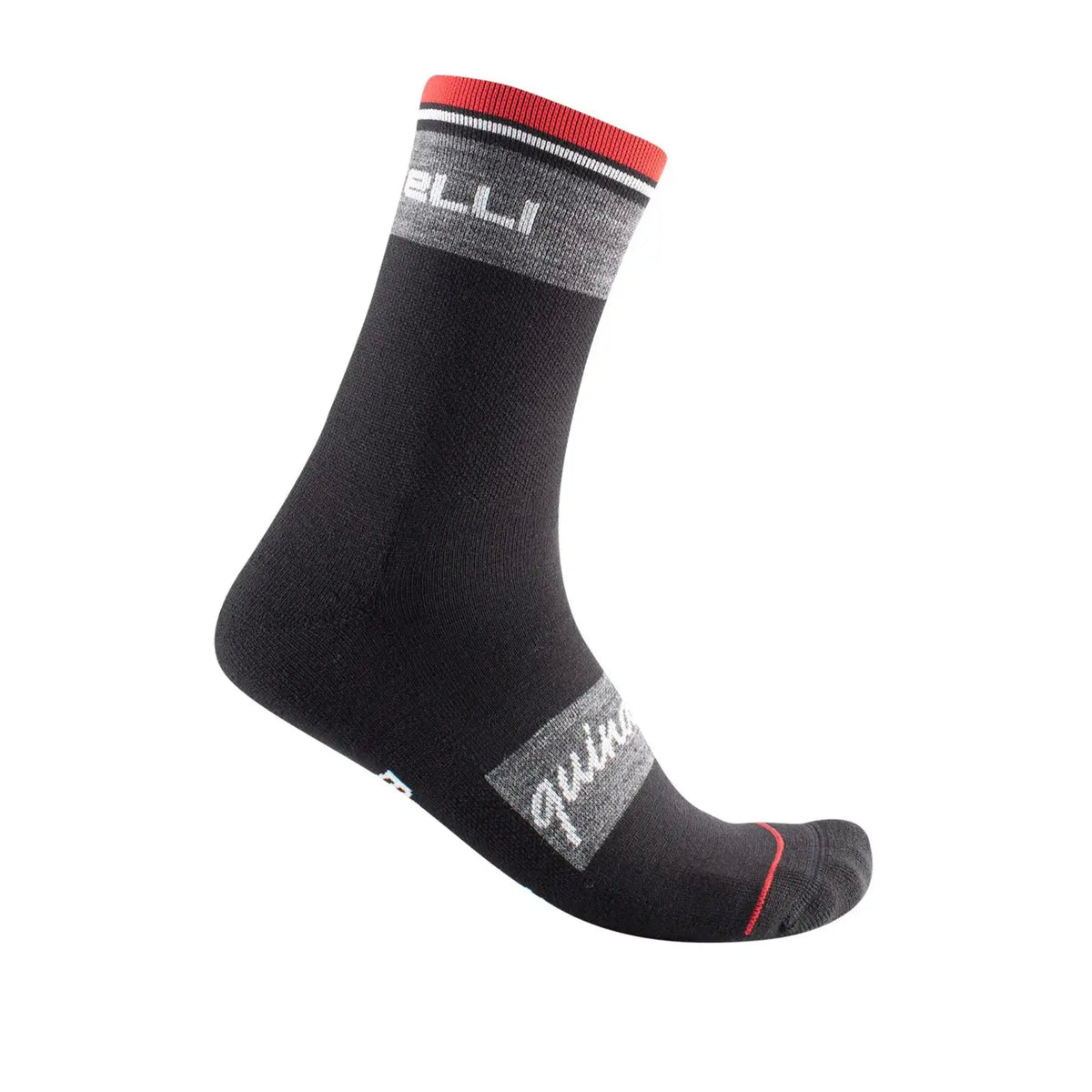
The guys worked through the Velominati rules, the tongue-in-cheek set of cycling commandments. Lance liked Rule 5 (harden the you-know-what up), Rule 10 (it never gets easier, you just go faster) and Rule 28 about socks being any color you like, and even wore mismatched green argyle socks to a group ride just to annoy a teammate. Jake liked the rules about leading by example, guiding newcomers and making your bike photogenic, while Matt explained the N plus one joke about how many bikes you need, and the upper limit of S minus one.
Not everyone was as fond of every rule. Justin took issue with the rule against lifting your bike over your head after a big climb, Lance pushed back on the rule about shaving legs, and Evan, with his anatomy hat on, said the advice to shift forward or back on the saddle to ease muscle burn is not how cycling muscle activity actually works. The guys also disagreed with Rule 11, which puts the bike ahead of family, and agreed the never-leave-the-big-ring rule is a terrible idea. Most agreed these rules are meant as humor and should not be taken too seriously.
One Last Thing: a speed suit test and a Seattle to Portland story
For One Last Thing, Matt shared a video of his own experiment, riding a flat eight-mile out and back at about 200 watts first in a team speed suit and then in a t-shirt and shorts. The guys made their guesses, and the real difference came out to well over a minute, which Matt pointed out adds up to a lot more in a longer race. Evan mentioned he would be on hand with his physical therapy clinic at the Blue Lake Triathlon.
Lance told a story from the Seattle to Portland ride, when he jumped into Justin's group with about ninety miles to go and tried to chase back hard after a flat, only for Justin to tell him to settle down. Justin joked that Jake had arranged a fresh ringer for the last stretch, and Jake recalled that the group beat its goal of averaging twenty miles an hour. Jake closed by pointing listeners to the show's Facebook and Instagram pages and thanking Justin for coming on.
Listen to the full podcast
This recap only scratches the surface. Hit play on the player above, or find Dialed Podcast 9 wherever you get your podcasts.
More Gear From This Podcast
Talk to the guys
Got a question or an idea for the show?
Ask us anything about the podcast, pitch a topic for a future episode, send general feedback, or ask about gear. We read every one.